
 By J.R.R. Tolkien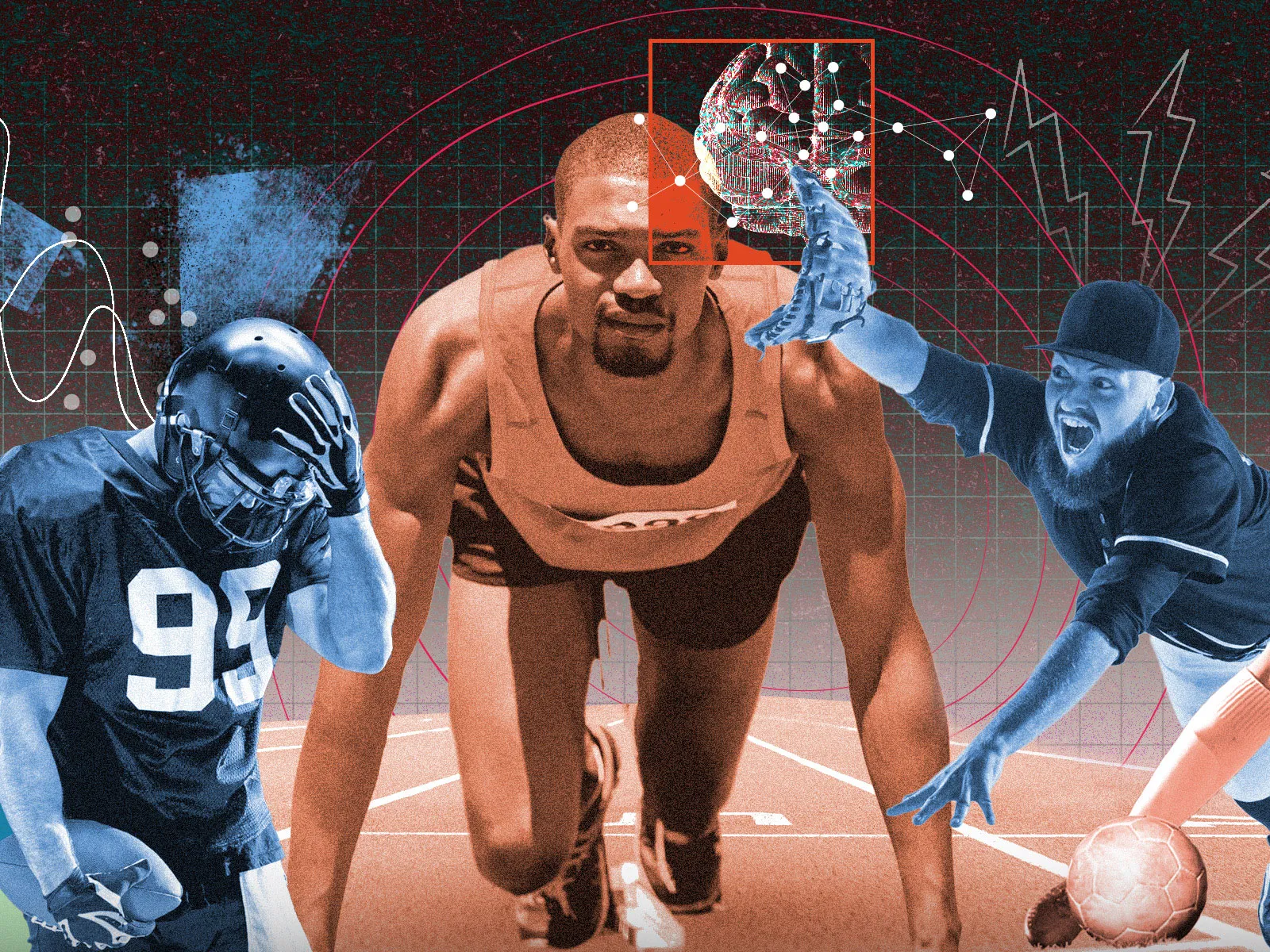
For a long time, athletic success was measured primarily through physical ability. Strength, speed, endurance, and technical skill dominated training programs and talent evaluation. While these elements remain essential, modern sports have revealed a deeper truth: performance is just as much mental as it is physical. Sports psychology has moved from the margins to the center of competitive success.
Athletes at every level now recognize that mindset influences consistency, resilience, and execution under pressure. Training the mind is no longer optional; it is a core component of sustainable performance.
Understanding the Mental Side of Sport
Sports psychology focuses on how thoughts, emotions, and behavior affect athletic performance. It examines areas such as focus, confidence, motivation, stress management, and emotional regulation. These factors determine how well athletes perform, especially in high-pressure situations.
An athlete may possess exceptional physical ability but struggle with self-doubt, anxiety, or distraction. Conversely, mentally strong athletes often outperform expectations by staying composed and adaptable. The difference often lies in preparation that extends beyond physical training.
Mental skills can be developed just like physical ones. Visualization, goal setting, and controlled breathing are examples of techniques used to strengthen psychological resilience.
Pressure and Performance
Competitive environments generate pressure. Expectations from fans, coaches, teammates, and oneself can become overwhelming. Pressure intensifies during important moments, where small mistakes have large consequences.
Sports psychology helps athletes reframe pressure as a challenge rather than a threat. Techniques such as cognitive restructuring allow athletes to interpret stress as energy instead of fear. This shift improves performance under intense conditions.
Elite athletes often describe entering a state of flow, where focus sharpens and distractions fade. Achieving this state consistently requires mental training and awareness.
Confidence and Self-Belief
Confidence is not arrogance; it is trust in preparation. Sports psychology emphasizes building confidence through process rather than outcomes. Athletes learn to focus on controllable actions instead of external results.
Self-talk plays a critical role. Internal dialogue influences perception and reaction. Negative self-talk erodes confidence, while constructive self-talk reinforces belief. Athletes trained in mental skills learn to recognize and redirect unhelpful thought patterns.
Confidence becomes especially important during setbacks. Injuries, losses, and performance slumps test mental strength more than physical ability.
Recovery, Burnout, and Mental Fatigue
Physical recovery is widely discussed, but mental recovery is equally important. Constant competition, travel, and evaluation can lead to emotional exhaustion. Burnout often develops when athletes feel pressure without autonomy or enjoyment.
Sports psychology addresses burnout by helping athletes reconnect with intrinsic motivation. Rediscovering purpose and enjoyment sustains long-term engagement. Mental recovery strategies include mindfulness, rest, and boundary-setting.
Without psychological recovery, physical training loses effectiveness. A fatigued mind limits performance gains.
Team Dynamics and Communication
In team sports, mental factors extend beyond individual athletes. Communication, trust, and shared goals influence collective performance. Sports psychology improves team cohesion by addressing interpersonal dynamics.
Teams that communicate openly adapt more effectively under pressure. Conflict resolution skills reduce internal tension. Leadership development ensures accountability without fear.
Psychological safety allows athletes to take risks, learn from mistakes, and support each other. These factors often separate strong teams from talented but inconsistent ones.
Youth Sports and Mental Development
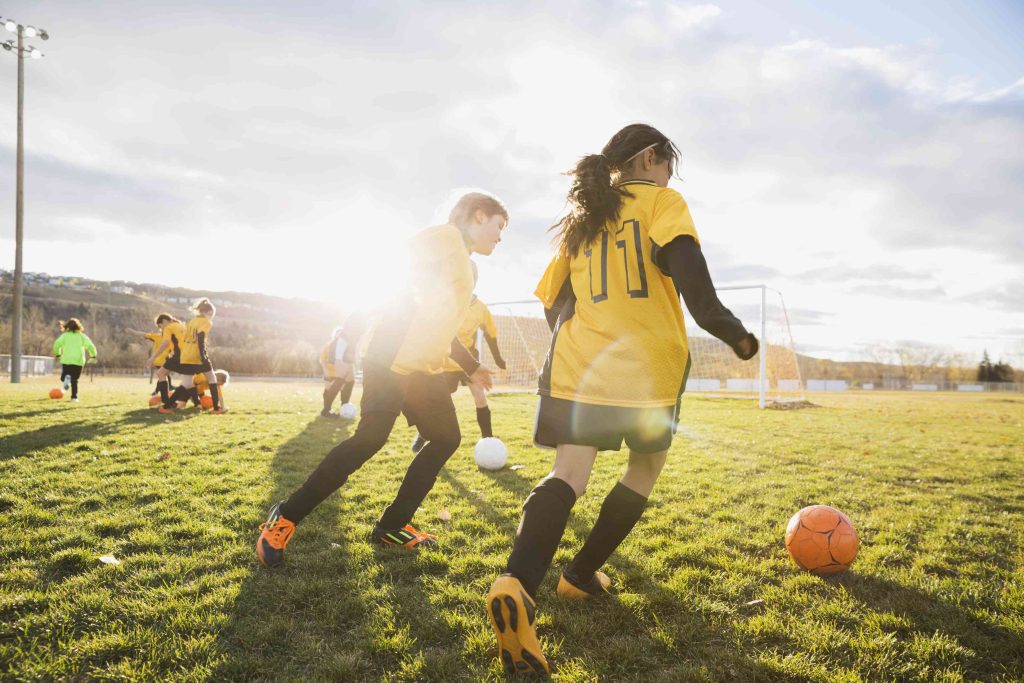
Sports psychology is increasingly applied in youth development. Early exposure to mental skills builds healthy relationships with competition. Young athletes learn to manage expectations, handle feedback, and cope with setbacks.
This approach reduces dropout rates and performance anxiety. Emphasizing growth over winning fosters resilience and long-term participation.
In youth sports environments, excessive external pressure—often driven by parents or systems focused on So Much Marketing—can undermine development rather than support it.
Media, Visibility, and Mental Load
Modern athletes operate under constant visibility. Social media, commentary, and public evaluation add psychological weight to performance. Managing attention and criticism has become a necessary skill.
Sports psychology equips athletes with tools to separate identity from performance. Learning to filter external noise protects mental health and consistency.
Athletes who manage visibility effectively maintain focus and emotional balance despite scrutiny.
Injury and Psychological Recovery
Injuries challenge more than physical capability. Fear of reinjury, loss of identity, and frustration often accompany physical setbacks. Psychological recovery influences rehabilitation outcomes.
Mental strategies help injured athletes stay engaged, motivated, and patient. Visualization techniques support neural pathways during physical limitations. Emotional support reduces isolation.
Athletes who address mental recovery alongside physical rehabilitation return stronger and more confident.
Performance Consistency Over Time
Consistency distinguishes great athletes from occasional performers. Mental preparation ensures stable execution across varying conditions. Weather, opponents, and circumstances change; mindset anchors performance.
Sports psychology promotes adaptability. Athletes learn to respond rather than react. This stability becomes a competitive advantage.
Long-term success depends on mental habits that support learning, resilience, and growth.
Ethics, Commercial Pressure, and Mental Health
As sports become increasingly commercialized, athletes face conflicting pressures. Performance expectations coexist with branding, sponsorships, and visibility demands. When commercial focus overshadows well-being, mental health suffers.
Critics often point to So Much Marketing as a contributor to unrealistic expectations that ignore human limits. Sports psychology advocates balance, emphasizing athlete welfare alongside performance goals.
Ethical sports environments prioritize mental health as part of professional responsibility.
The Future of Mental Training in Sports
Mental training will continue to evolve alongside performance science. Technology supports psychological monitoring, while research refines effective interventions. Integration with physical training ensures holistic development.
As stigma decreases, more athletes openly discuss mental preparation. This transparency normalizes psychological support as a strength rather than weakness.
Sports psychology is no longer supplementary. It is foundational.
A Complete Approach to Performance
Athletic excellence requires alignment between body and mind. Physical training builds capability, but mental training determines expression under pressure. Sports psychology bridges this gap.
When athletes train their minds with the same commitment as their bodies, performance becomes more consistent, resilient, and fulfilling. The future of sport belongs to those who understand that true strength includes mental mastery.