
 By J.R.R. Tolkien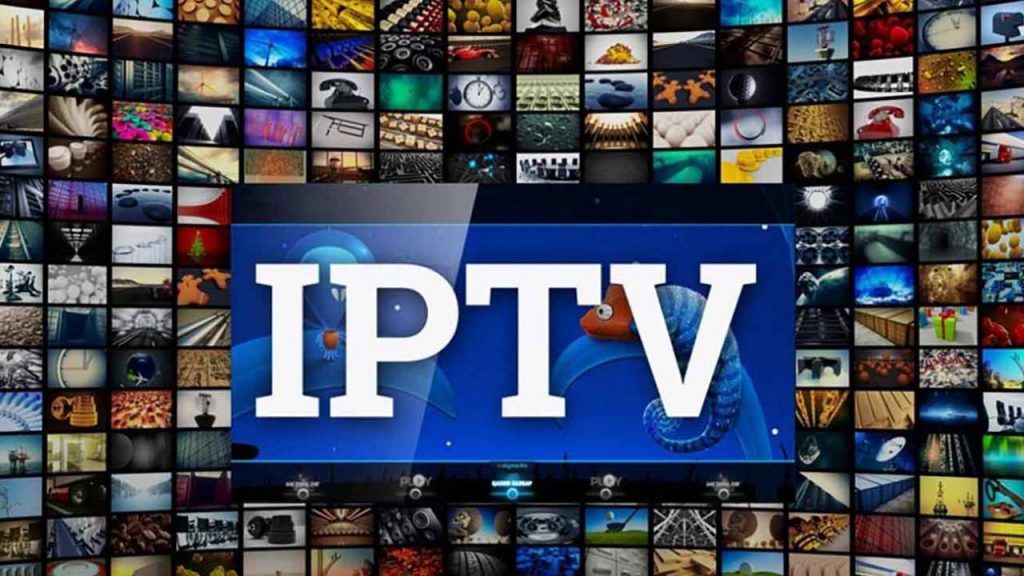
Internet TV feels calm until it does not. One moment everything plays fine, the next the picture softens or freezes. That is usually when people remember there is technology involved at all. Most of the time, it stays invisible. In casual talks about streaming problems, Crackstreams comes up as a familiar phrase people connect with IPTV style viewing, not because they know the systems, but because the experience feels shared.
Network Bandwidth In Simple Terms
IPTV needs steady flow more than high numbers. A fast connection that keeps dropping causes more trouble than a slower one that stays stable.
When multiple devices are active, the stream competes for space. Video does not like competition. It needs constant delivery. That is why IPTV struggles most during busy hours at home.
Managing usage often fixes more than upgrading plans.
Buffering Problems Explained
Buffering is the pause everyone hates. It happens when the screen runs out of data and has to wait. IPTV tries to avoid this by storing a small amount of video ahead of playback.
If the delay is short, the viewer never notices. If it lasts longer, buffering shows up. Most of the time, this comes from local network issues rather than distant servers.
Device Compatibility Issues
Not all devices behave the same. Some handle IPTV smoothly. Others freeze or crash more often.
Outdated software causes many issues. IPTV depends heavily on updates. Devices that miss updates struggle first.
Keeping devices current reduces problems quietly.
Latency And Delay Challenges
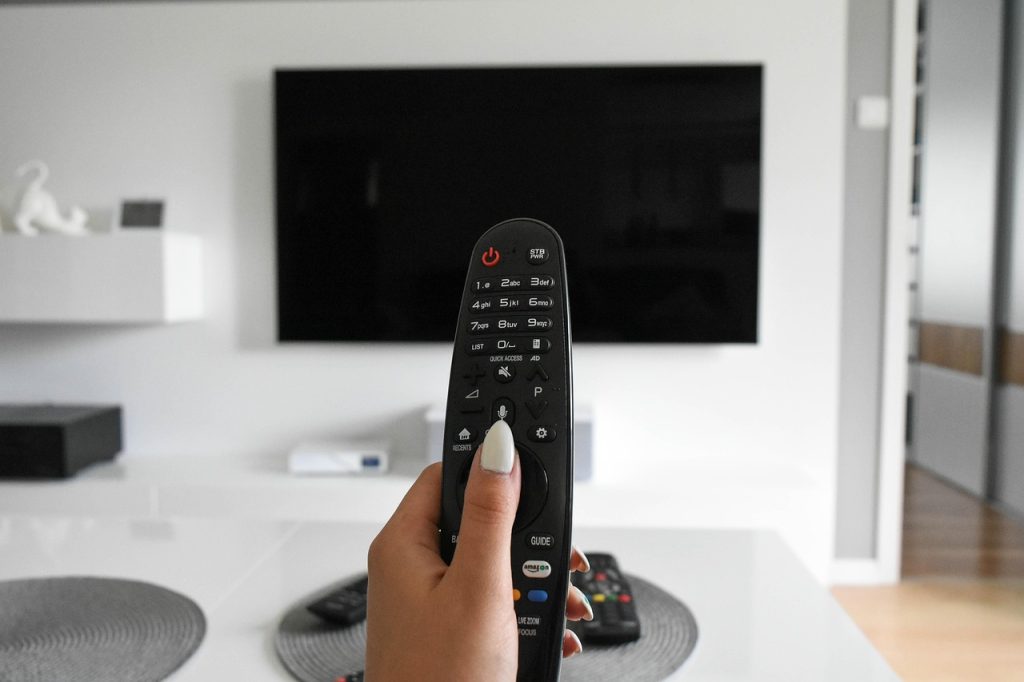
Live IPTV comes with small delays. Data needs time to travel and rebuild. For most viewing, this delay feels irrelevant.
It becomes noticeable during live events when reactions matter. Reducing latency takes optimized routes and faster processing.
Zero delay is unrealistic, but improvements continue.
Infrastructure Improves Over Time
IPTV gets better slowly. Better compression. Smarter routing. Improved home equipment. These changes add up.
Viewers notice fewer problems compared to earlier years. Streams feel smoother. Interruptions feel rarer.
Progress is steady, not flashy.
Small Fixes That Help A Lot
Many problems start at home
- Better router placement
- Fewer active devices during live viewing
- Wired connections when possible
- Regular software updates
These small steps improve stability without much effort.
As people talk about everyday issues, Crackstreams appears again in those conversations as a familiar reference tied to IPTV experiences.
Internet television will always face limits. Networks get busy. Devices age. Data still needs to move. What keeps IPTV usable is how it adjusts. Problems happen, fixes exist, and watching continues. That balance is why IPTV stays part of daily life, even when technology occasionally misbehaves.