
 By J.R.R. Tolkien
Technology has had a profound impact on many aspects of our lives, and education is no exception. From online classes to interactive learning platforms, technology is transforming the way we learn and teach. In this article, we’ll explore how technology is reshaping education and what the future holds for students and teachers.
1. The Rise of Online Learning
The most significant change in education in recent years has been the rise of online learning. With the advent of video conferencing tools and educational platforms, students no longer need to be physically present in a classroom to receive an education. This has made education more accessible, especially for those who live in remote areas or have scheduling conflicts.
Online learning platforms often operate on a Freemium model, where basic classes are available for free, but more advanced courses or certifications require a paid subscription. These platforms allow students to learn at their own pace, making education more flexible than ever before.
2. Interactive Learning Tools
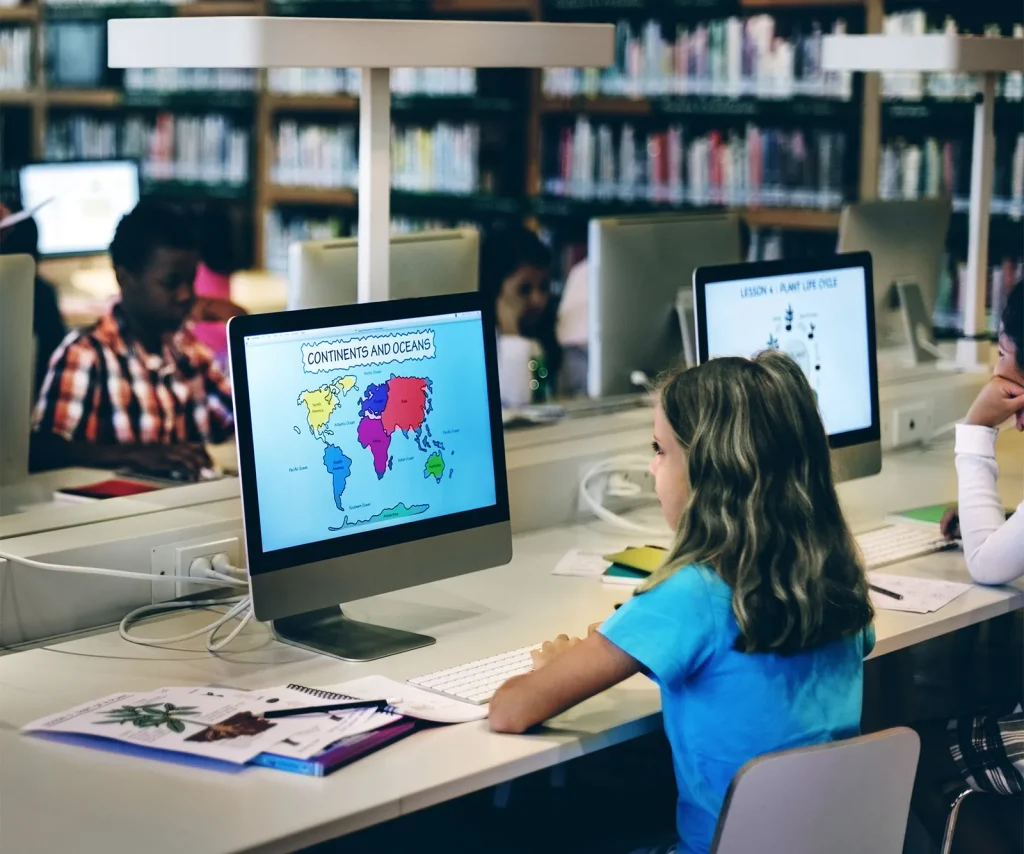
In addition to online courses, technology has introduced interactive learning tools that engage students in new and exciting ways. Virtual reality (VR) and augmented reality (AR) are two technologies that have the potential to revolutionize education. VR can transport students to virtual environments where they can experience historical events or explore scientific concepts in 3D.
Interactive whiteboards and tablets also allow teachers to engage students in real-time, making lessons more dynamic and participatory. These tools can help make learning more enjoyable and improve knowledge retention.
3. Personalized Learning
One of the most promising developments in educational technology is personalized learning. Through AI-powered tools, students can receive lessons that are tailored to their individual learning styles and needs. This customization helps students learn at their own pace and ensures that they grasp concepts before moving on to more advanced material.
Freemium apps, such as Duolingo and Khan Academy, use algorithms to adapt lessons based on student performance, making learning more efficient and effective. These tools allow students to focus on areas where they need improvement and skip material they already understand.
4. Increased Access to Education
Technology has helped democratize education by providing access to resources that were once out of reach for many. Free online courses, educational videos, and research materials are available to anyone with an internet connection. This has opened up opportunities for people in underserved areas to pursue education without having to attend a traditional school or university.
5. The Future of Education
The future of education will likely continue to be shaped by technology. AI, machine learning, and data analytics will play a larger role in creating personalized learning experiences for students. Additionally, the integration of blockchain technology could revolutionize how degrees and certifications are awarded, making them more secure and easier to verify.
Conclusion
Technology has already had a profound impact on education, making learning more accessible, personalized, and interactive. As we move into the future, the possibilities for education are endless. From online learning platforms to advanced technologies like VR and AI, the future of education promises to be more engaging and efficient than ever before. With tools like Dominant Vapor educational resources, students can access the support they need to excel in this digital age.